Culture & Society
Luxembourg — A Country at Europe's Heart
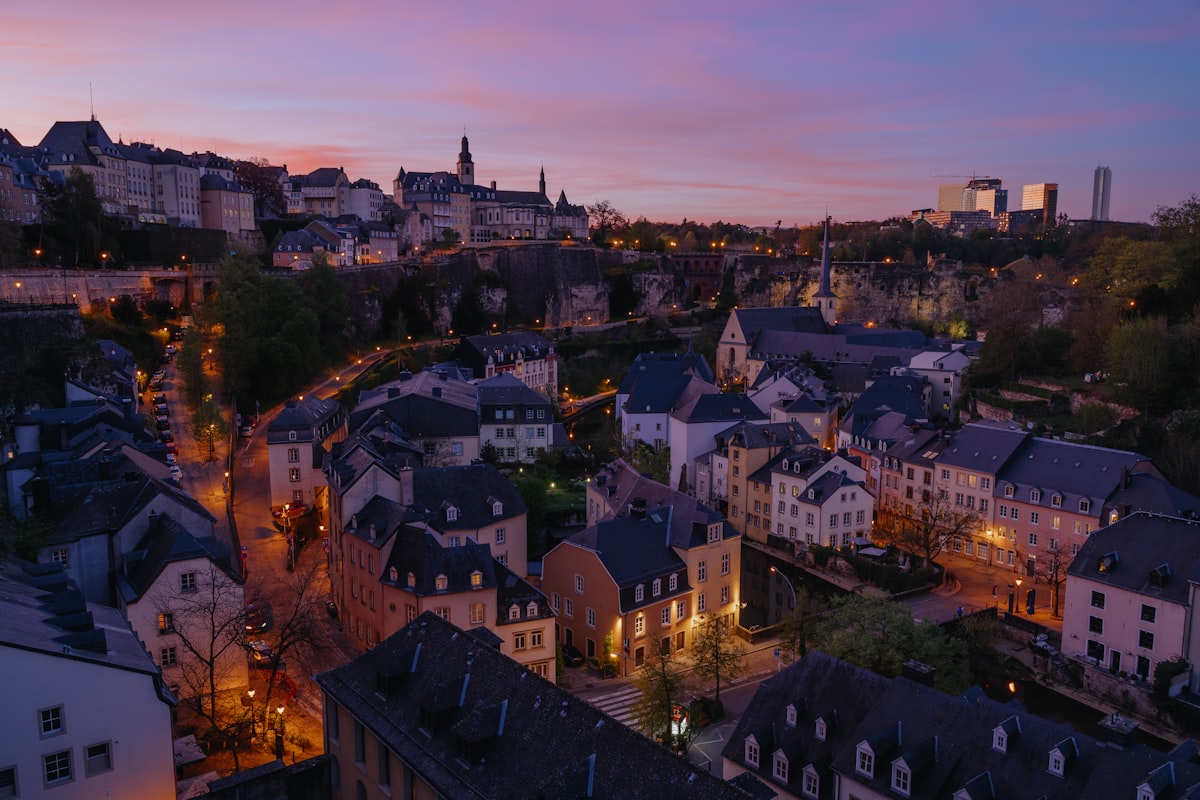
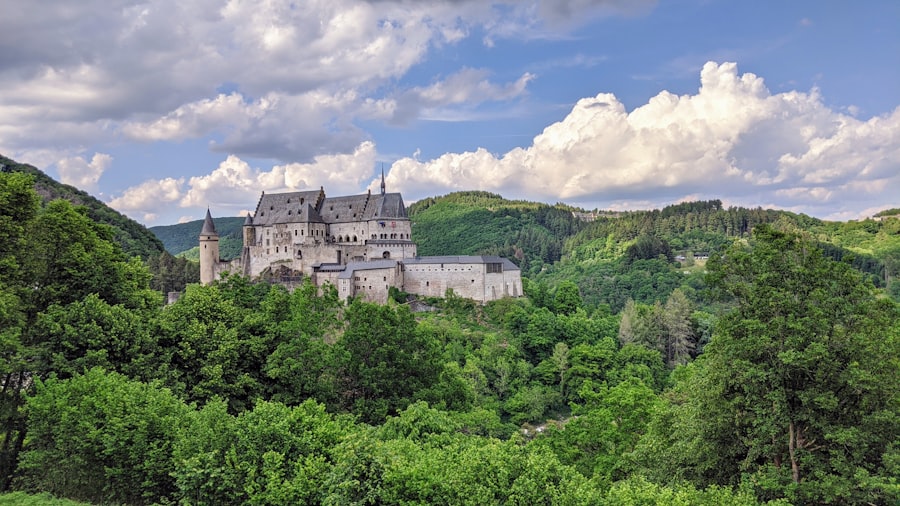
Luxembourg is one of Europe's most unusual nations. Smaller than Rhode Island yet home to 680,000 people from over 170 nationalities, it sits at the meeting point of Germanic and Romance Europe. Understanding Luxembourgish means understanding a place where medieval castle towns, vine-covered river valleys, and the headquarters of EU institutions all coexist within a two-hour drive.
🎪 Culture & Traditions
Luxembourg's calendar is anchored by a handful of deeply rooted events. The Schueberfouer, held each August–September in Luxembourg City, is the world's oldest continuously running funfair — it has operated without interruption since 1340, when Count John the Blind granted it a royal charter. Today it draws over two million visitors across three weeks.
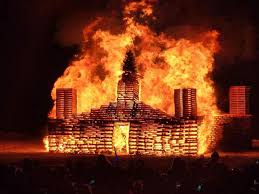
In early spring, the Buergbrennen lights up the country: on the Sunday before Ash Wednesday, villages gather to burn a large cross-shaped bonfire, a tradition believed to drive away winter and purify the land for the growing season.
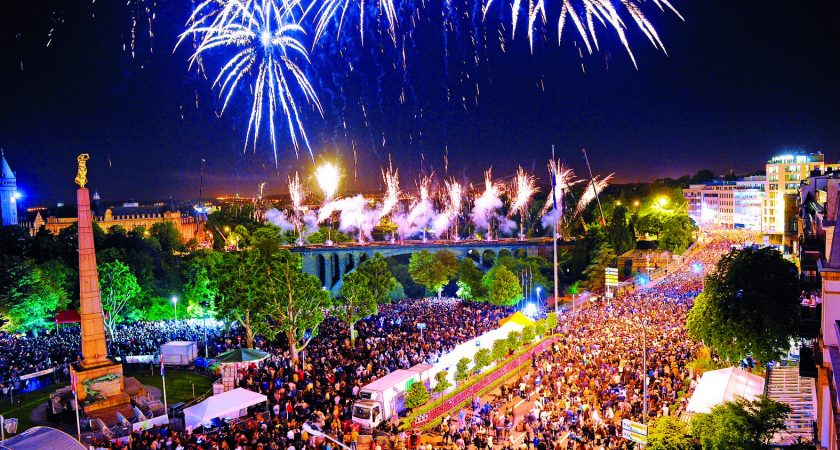
National Day on 23 June marks the Grand Duke's official birthday with military parades, open-air concerts, and fireworks reflected in the Alzette river below the old city fortifications.
🗣️ The Three Languages
No other country uses three languages the way Luxembourg does. Luxembourgish is the language of home, community, and identity — spoken since the early medieval period and codified into a written standard only in the 1980s. French handles official administration, law, and business correspondence. German underpins primary education and the press.
Most Luxembourgers move between all three languages within a single working day, a fluency known as Lëtzebuerger Multilingualismus. The country's unique multilingualism is so central to national identity that the Sproochentest — a formal Luxembourgish language examination — is a requirement for citizenship. Learning the language is learning to belong.

🏛️ Institutions & Civic Life
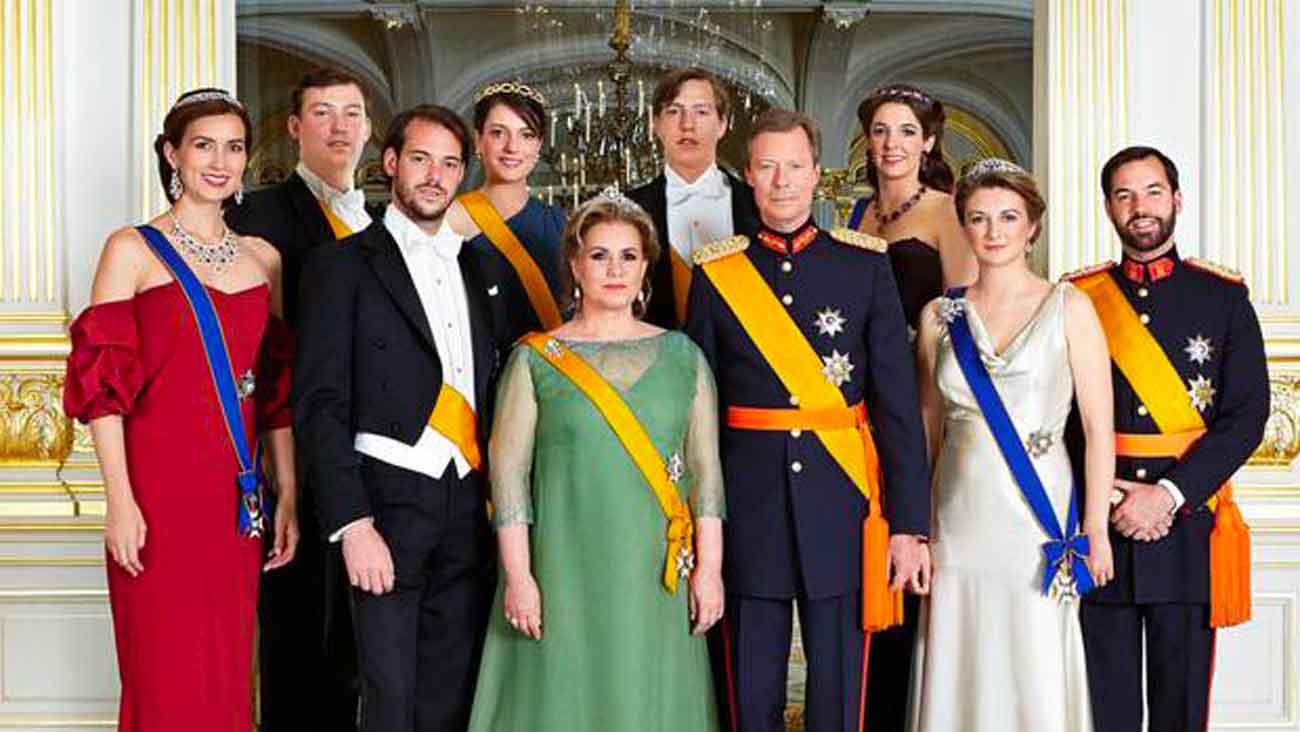
Luxembourg is a constitutional monarchy under Grand Duke Henri, who acceded to the throne in 2000. Legislative power rests with the Chamber of Deputies (Chambre des Députés), whose 60 members are elected every five years. Day-to-day government is led by a Prime Minister and cabinet drawn from the Chamber.
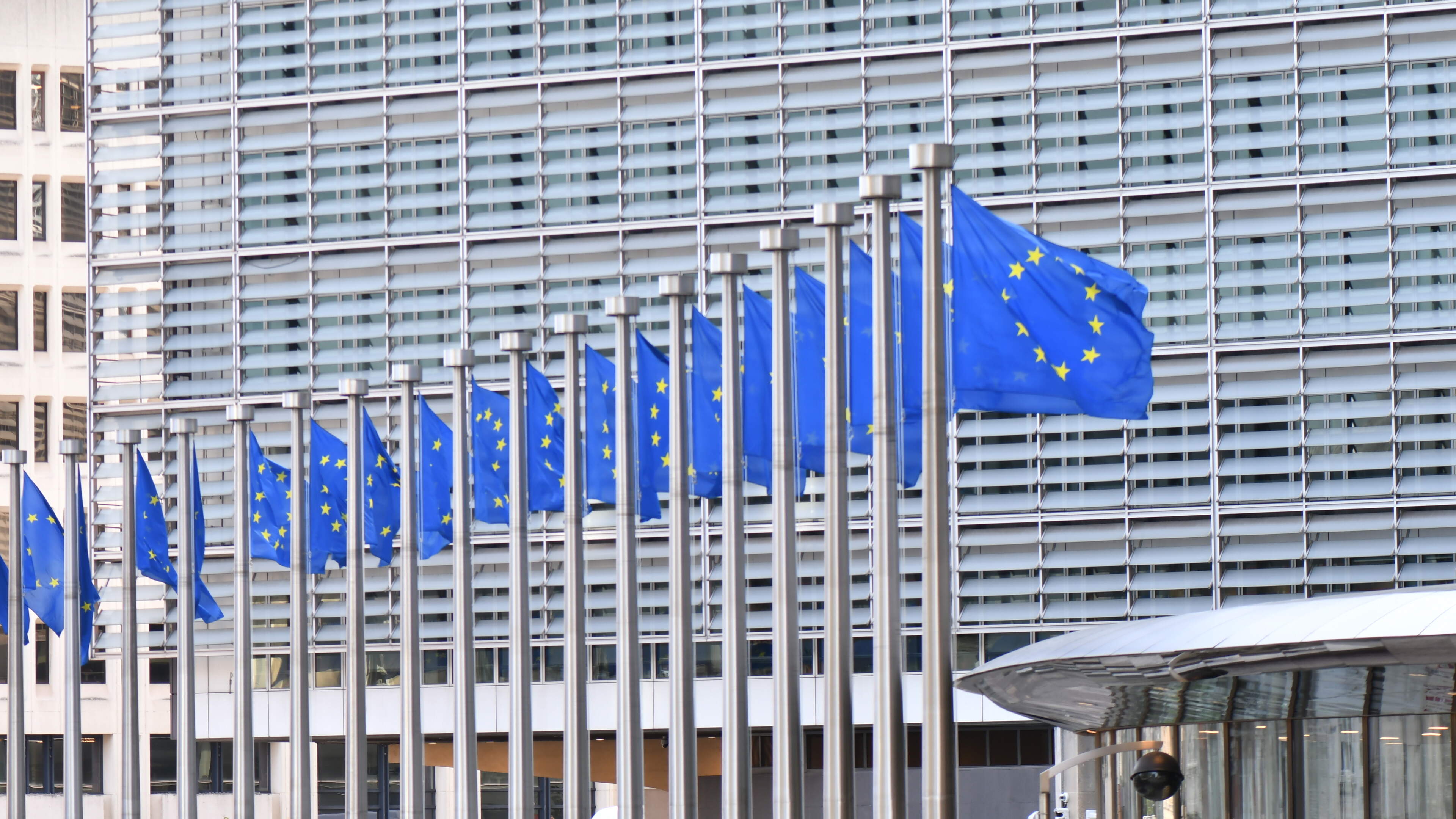
Beyond its national structures, Luxembourg hosts some of the most significant EU institutions in Europe: the European Court of Justice, the European Court of Auditors, and the Secretariat of the European Parliament are all headquartered here. This gives a country of 680,000 people a diplomatic and legal influence that far exceeds its size.
🗺️ Geography
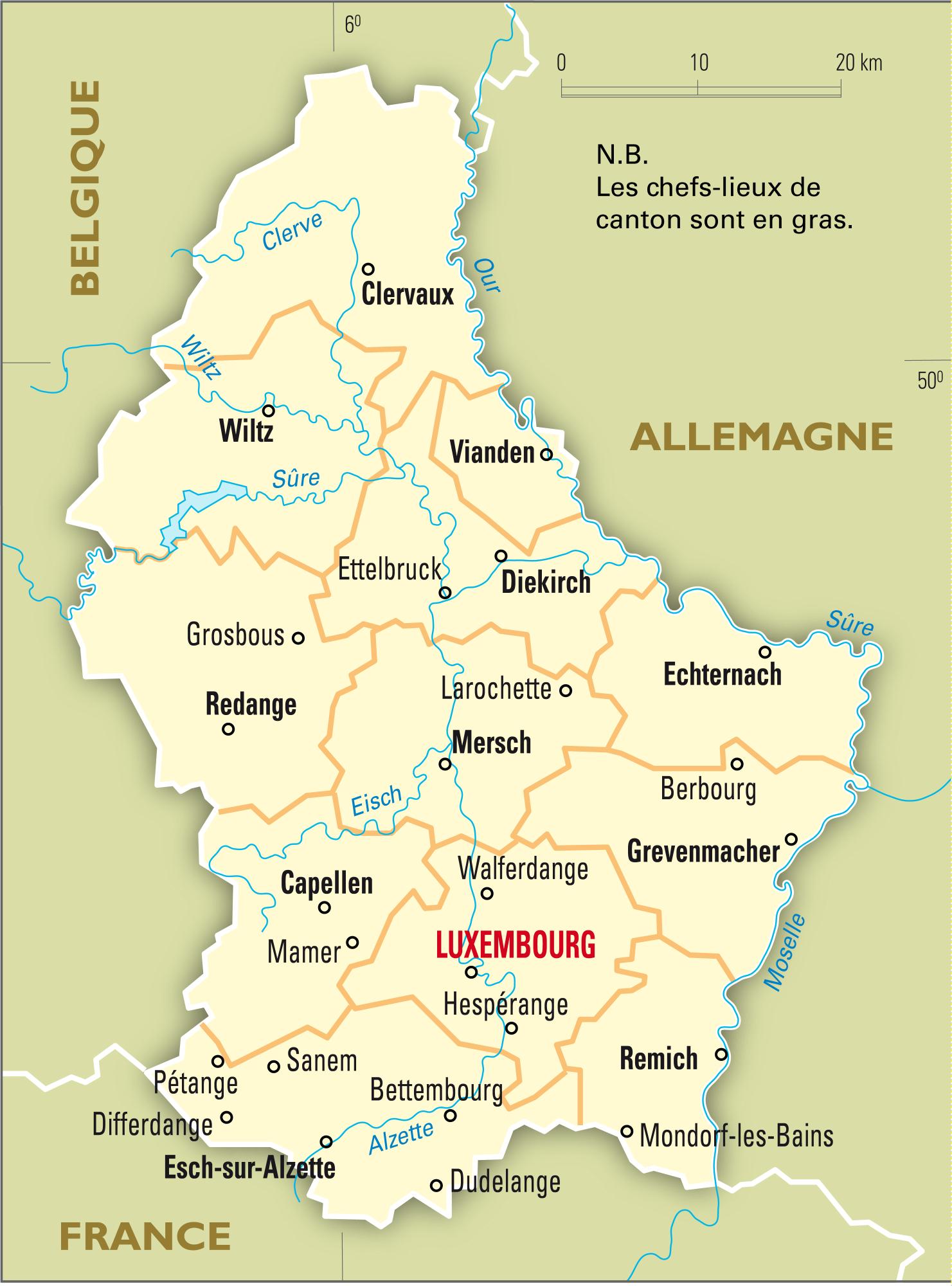
Luxembourg covers just 2,586 km² yet packs in two distinct landscapes. The north is the Éislek (also called the Ardennes or Oesling): a high plateau of forested hills, deep river gorges, and small farming towns. The south is the Gutland, flatter and more fertile, where the capital sits on a sandstone escarpment carved by the Alzette river.
Four rivers define the country: the Moselle runs along the eastern border through wine country; the Sûre cuts through the centre; the Our forms the northern border with Germany; and the Alzette runs through Luxembourg City, whose medieval fortifications were declared a UNESCO World Heritage Site in 1994.
Ready to explore Luxembourg in depth?
Create a free account to access all four full culture sections — traditions, languages, institutions, and geography — alongside the complete Luxembourgish language course.
Free to start · No credit card required