
Free · Beginner-friendly · 16 units
Léier Lëtzebuergesch
Learn Luxembourgish Free — Beginner's Course
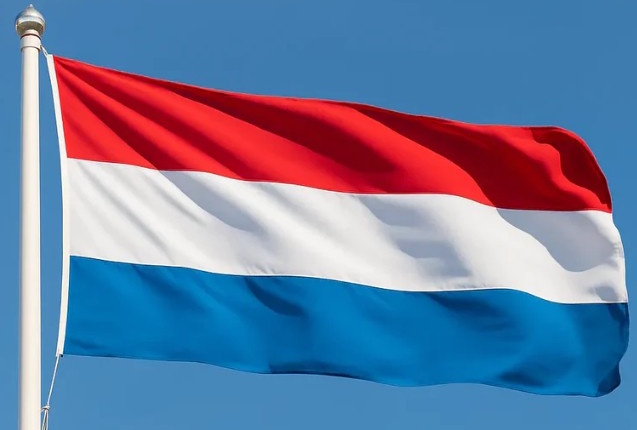
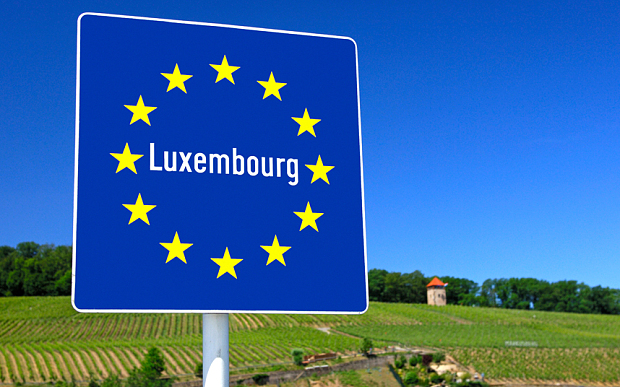
The language of the Grand Duchy, spoken by 400,000 people across Luxembourg, France, and Germany.
Everything you need to get started
16 Course Units
From greetings and numbers to weather, health, and free time — structured units that build on each other.
Vocabulary Flashcards
Click-to-flip cards show Luxembourgish words with pronunciation guides and example sentences.
Key Phrases
Practical, everyday phrases with context notes — so you know exactly when and how to use them.
Grammar Notes
Each lesson explains one grammar point clearly, with examples. No jargon, no overwhelm.
Adaptive Quizzes
Questions drawn randomly from a pool each time — so every attempt feels fresh.

Built for Luxembourg
Real Luxembourgish, not a textbook approximation. Vocabulary and phrases used in daily life in the Grand Duchy.
Free to start. Upgrade when you're ready.
Full access to the first two units:
- Moien! — Greetings & Basics
- Meng Famill — My Family
Unlimited access to:
- All 16 units
- The Big Test — get your CEFR level
- Full vocabulary & phrase dictionary
- Vocabulary revision games
What you'll learn
Moien! Greetings & Basics
Meng Famill — My Family
Lëtzebuerg & Wou ech wunnen — Where I Live
Iessen & Drénken — Food & Drink
Am Gaaschthaus — At a Restaurant
Ënnerwee — Getting Around
Schaffsplaz & Beruffer — Work & Jobs
D'Zäit — Time
Kafen a Geschäfter — Shopping
Wieder — Weather
Gesondheet — Health
Fräizäit — Leisure
What learners say
Two years in Luxembourg, still lost in office conversations. Six weeks here fixed that.
The first site I've found structured enough to actually make progress.
I cross from Thionville every day. The French interface meant I could just start.
Almost nothing exists online for Luxembourgish. This is the real deal. The Big Test tells you exactly where you stand.
Frequently Asked Questions
- Is Luxembourgish hard to learn?
- Luxembourgish is moderately difficult for English speakers. Grammar is simpler than German — three cases instead of four, no genitive — and thousands of French loanwords feel instantly familiar. Most motivated learners can hold basic conversations within a few months of regular practice.
- How many people speak Luxembourgish?
- Around 400,000 people speak Luxembourgish natively, primarily in the Grand Duchy of Luxembourg. It is also spoken in neighbouring parts of Belgium and Germany. In Luxembourg it is the national language of everyday life, used alongside French and German.
- Is LëtzLearn free?
- Yes. The first two units — six lessons covering greetings, numbers, family, and essential phrases — are completely free with no account required. A subscription from £1.49 per month unlocks all 16 units, 48 lessons, the Big Test, and the full vocabulary dictionary.
- What is the difference between Luxembourgish and German?
- Both languages come from the Moselle Franconian dialect family and share substantial vocabulary. Key differences: Luxembourgish has three grammatical cases (German has four), no genitive case, thousands of French loanwords, and a distinct sound system. A German speaker will recognise many words but cannot automatically understand Luxembourgish.
- What languages are spoken in Luxembourg?
- Luxembourg has three official languages: Luxembourgish, French, and German. Luxembourgish is the national language used in everyday speech. French is used for official documents and law. German is used in primary education and the press. Most Luxembourgers speak all three fluently.
- How long does it take to learn Luxembourgish?
- With 15–20 minutes of daily study, most beginners can hold basic conversations within six to twelve months. Speakers of German or French progress faster due to shared vocabulary. LëtzLearn's 16 structured units cover everything from greetings to workplace and health vocabulary.